
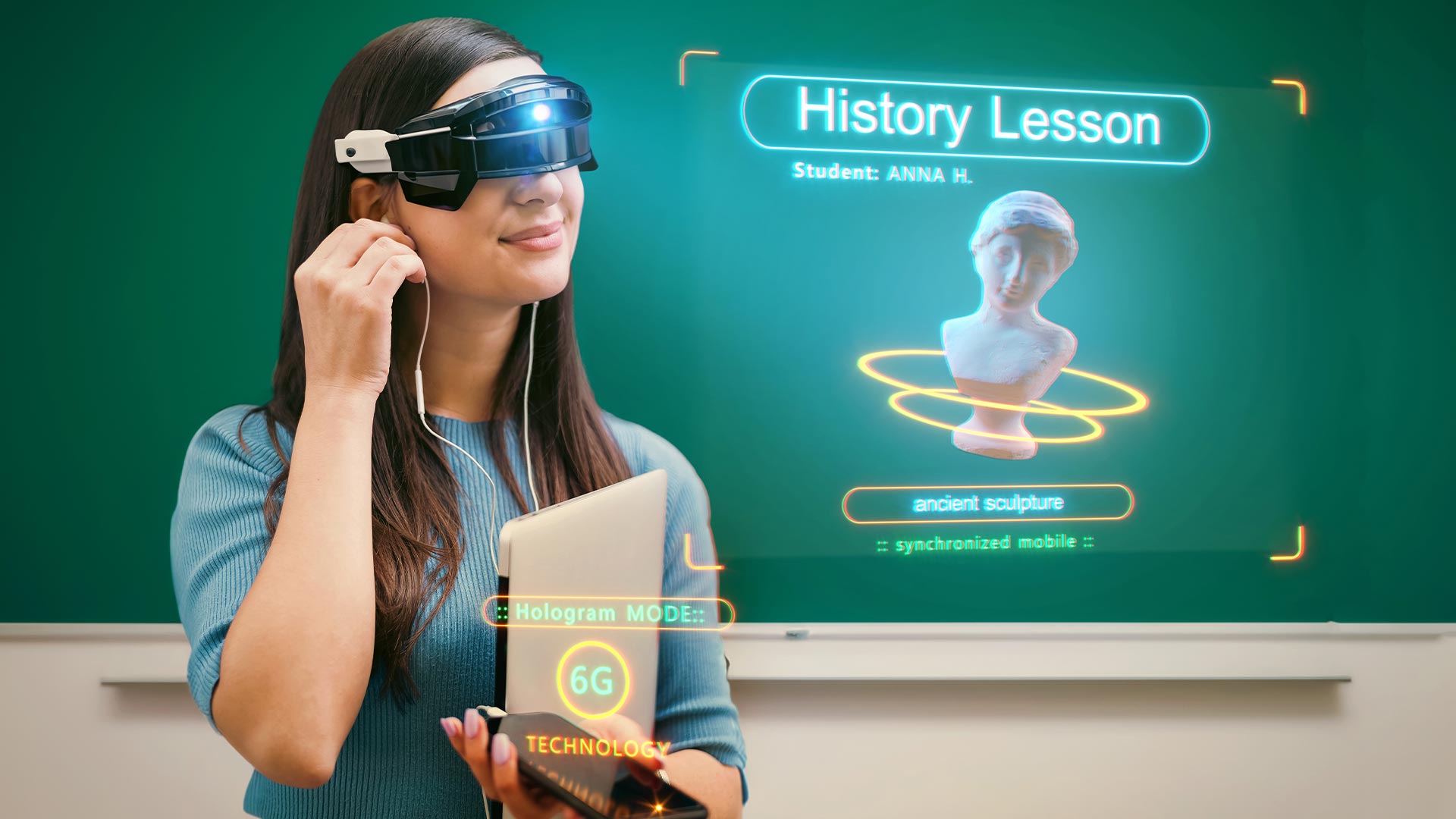
Traditional classrooms are evolving into *technology-enabled learning spaces, widely known as *Smart Classrooms. The global EdTech and Smart Classroom market is projected to grow rapidly, reaching \$445.94 billion by 2029, with a CAGR of 20%.
By integrating smartboards, multimedia content, and real-time assessments, smart classrooms keep students engaged and make teaching more efficient.
If you’re curious about what smart classrooms are, why they matter, their key features, and how Edpro can help institutions embrace this change—let’s dive in.
Key Takeaways
- A smart classroom combines digital tools to create an interactive and immersive learning environment.
- There are three main categories: standard, intermediate, and student-led smart classrooms.
- Core features include interactive panels, multimedia content, instant feedback, and cloud storage.
- Benefits include higher student engagement, personalized learning, and simplified classroom management.
- Edpro delivers cost-effective and reliable solutions for schools and colleges to adopt smart classrooms seamlessly.

What is a Smart Classroom?
A smart classroom is a tech-enabled educational setup where digital tools enhance teaching and learning. It typically uses:
- Interactive panels & digital boards
- Audio-visual learning tools
- Learning management software
- Online resources and cloud-based platforms
In India, smart classrooms are being introduced to boost both student performance and teacher effectiveness, encouraging active participation and access to digital content.
Why Are Smart Classrooms Important?
Smart classrooms are designed to personalize learning and improve teaching outcomes. They enable:
- Audio-visual learning experiences
- Reduced dependence on paper-based resources
- Self-paced learning opportunities
- Collaborative student discussions
- Faster concept comprehension
For teachers, smart classrooms provide flexibility. Lessons can be delivered through digital whiteboards and multimedia, saving time while making sessions more interactive.
Types of Smart Classrooms
- Standard Smart Classroom
- Equipped with a projector, digital board, and sound system.
- Teacher-led instruction with digital aids.
- Intermediate Smart Classroom
- Mix of teacher instruction and student activities.
- May include shared tablets or laptops with internet connectivity.
- Supports blended learning.
- Student-Led Smart Classroom
- Each student has a personal device (tablet/laptop).
- Learning is self-paced with teachers as facilitators.
Key Features
- Interactive Whiteboards & Panels – Teachers and students can write, draw, and display videos in real time.
- Multimedia Integration – Concepts are explained with animations, images, and videos.
- Instant Assessments – Polls, quizzes, and feedback are conducted instantly.
- Cloud-Based Learning – Access notes, assignments, and resources anytime.
- AR & VR Technology – Immersive simulations for subjects like science, history, and geography.
Benefits
- Boosts Student Engagement – Interactive visuals keep learners attentive.
- Supports Personalized Learning – Adapts to different learning styles.
- Enhances Collaboration – Cloud-based tools for group projects.
- Improves Classroom Management – Automates attendance, grading, and resource sharing.
Adoption in India
Government initiatives like NEP 2020 and Digital India are accelerating smart classroom adoption. Many private institutions are partnering with EdTech providers like Edpro to upgrade their infrastructure.
Smart Classroom Setup
A typical smart classroom includes:
- Computers/Tablets – Students work digitally, reducing paper use.
- Interactive Panels – Replacing blackboards with advanced, online-connected displays.
- High-Speed Internet – Ensures seamless access to digital content.
- Additional Tools – Digital podiums, microphones, and advanced audio systems for inclusive learning.
👉 With Edpro’s Smart Classroom solutions, institutions can create future-ready learning spaces that inspire students, empower teachers, and streamline education for the digital era.